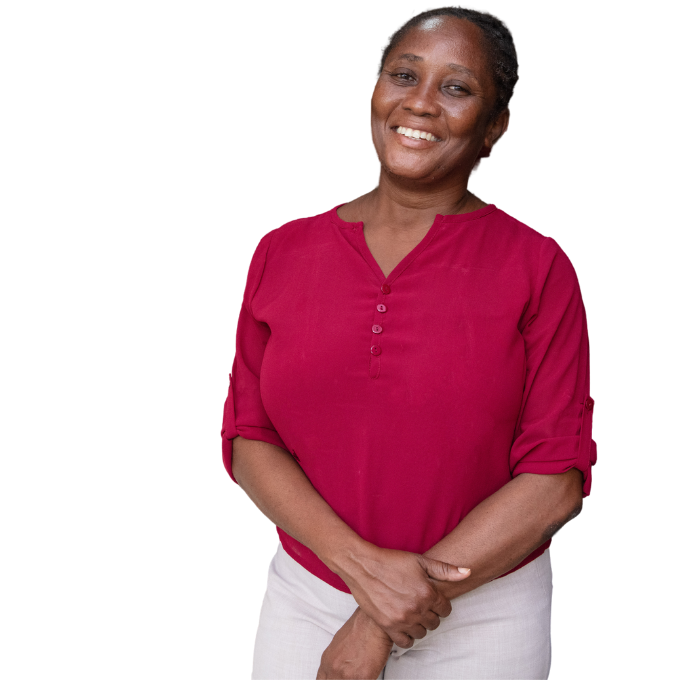
“We never give up on our patients. We are proud of our mission, which is to serve the most vulnerable.”
Your donation can help Dr. Clermont and our entire staff care for more patients than ever before.
Image

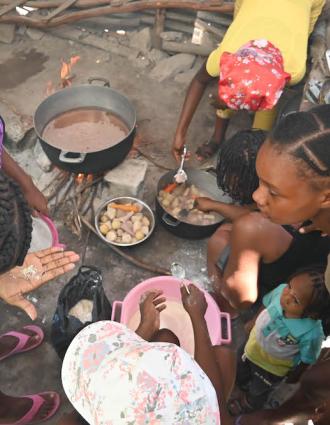
Community health workers and participants cook healthful, nutritions meals at a Ti Fwaye session.
Ti Fwaye (“Little Hearth”), our free community nutrition program, has continued to make a difference in communities with high rates of pediatric malnutrition.
In these communities, CHWs identify caregivers of children who are thriving and train them to lead peer support groups, teach good cooking practices, and provide advice on proper feeding and nutrition to caregivers of malnourished children. These Ti Fwaye learning groups help women empower one another and encourage skill sharing. CHWs provide ongoing follow-up care and nutrition supplements, checkups to see if children are gaining and maintaining their weight, and additional support as needed. In 2025, we held 24 Ti Fwaye sessions for 322 adult attendees and 292 children.
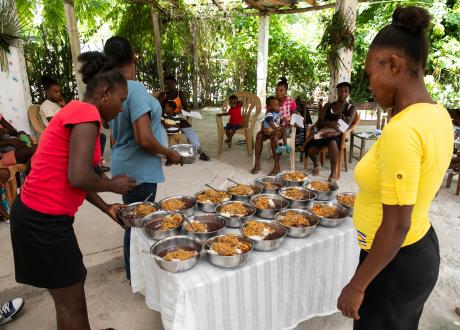
Time to eat!
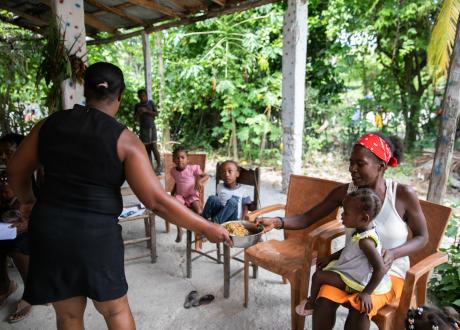
Everyone at Ti Fwaye gets to eat the meal they cooked together.
Mirlande is a mother who was struggling silently. Two of her children—Slyedens, a 3.5-year-old boy, and Bedjina, a 23-month-old girl—were showing clear signs of malnutrition. Although CHWs encouraged her to enroll her children in Ti Fwaye, Mirlande hesitated. She worried about being judged, “People will say I don’t take care of my children,” she said. She convinced herself her children’s weakness was only temporary.
Her lack of confidence and fear of stigma held her back, despite repeated counseling. But things changed when CHWs organized an education session that explained the importance of nutrients for child development, the dangers of untreated malnutrition, and the successes of other mothers who had joined the program. As her children grew weaker, Mirlande’s doubts began to give way. The words of the health staff touched her heart, and she finally enrolled her children in Ti Fwaye.
Within weeks, Mirlande saw a remarkable difference as both of her children carefully gained weight. Their faces grew brighter, and they regained the energy to play again. What began with hesitation for Mirlande became a turning point.
Today, Mirlande has transformed regret into advocacy. Once hesitant and doubtful, she is now a proud voice in her community, encouraging other mothers to seek care without fear or shame. Her story illustrates how education, trust, and supportive follow-up can empower caregivers to overcome stigma, embrace lifesaving services, and ultimately become role models for others.
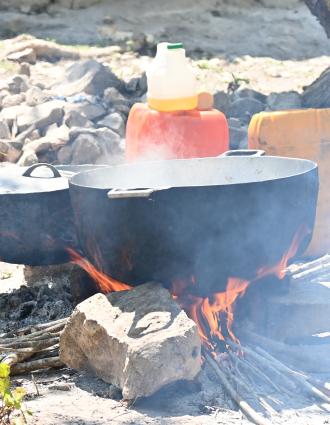

Your donation can help Dr. Clermont and our entire staff care for more patients than ever before.