Story
Saving HIV/AIDS Care

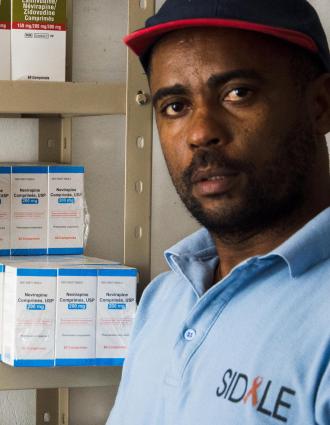
“This situation really traumatizes people,” says HIV peer educator Erika* as she reflects on how foreign aid cuts threaten HIV funding and treatment resources in Haiti. “If the program ends, there will be many, many people who will have difficulty staying alive, because the medication is life.”
When our USAID grant was cancelled, we suddenly lost a substantial portion of our HIV/AIDS funding. Shortly thereafter, the U.S. government threatened to cut funding for the President’s Emergency Plan for AIDS Relief (PEPFAR). Global foreign aid declined.
For Erika and the 1,298 other patients currently enrolled in our HIV/AIDS program, these sudden and unpredictable shifts in funding are a matter of life and death.
Despite ongoing uncertainties, our HIV/AIDS treatment and support program continues to save lives because our generous community rose to support it.
Erika is an important part of this program. As a peer educator, she meets with newly-diagnosed patients and helps them understand how to take their medications and stay well.
Her effectiveness comes from her own lived experience: she herself has been a patient in our program for more than two decades. “What makes me proud of my work is that I have a lot of people who were in denial, who did not accept that they were HIV-positive, and by connecting with me, I’m like a light for them. They become encouraged, they take the medication, they are living just like I am.”
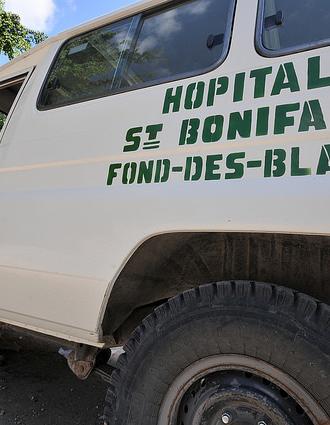
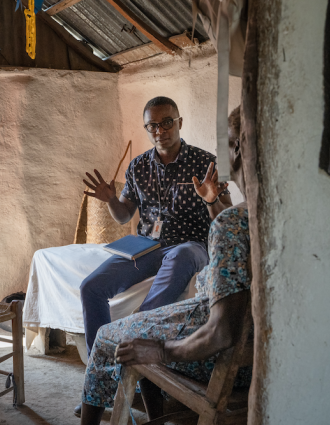
Through our program, patients who test positive for HIV receive a custom treatment plan and lifesaving antiretroviral medications. Erika makes sure every patient leaves knowing when and how to take these medications, and reassures them that they can live a full, healthy life if they adhere to treatment. Patients also receive regular checkups, nutrition support, and psychosocial support. If a patient can’t travel to the hospital for regular care or to refill their medications, our community health team goes to them. In 2025, we conducted 3,414 of these home visits for HIV+ patients in need.
“There has been a lot of progress,” says Erika. “There were places where people used to point fingers at people who had HIV. Now … it’s minimal. Due to the medications, someone comes to know that if they take it, they’ll live. I think it’s been a beautiful change.”
*Name changed to protect patient’s privacy
Explore More Stories
-
 From death to life
 -
 Living well with HIV
 -
 From patient to care provider
 -
 Staying healthy with HIV