Image
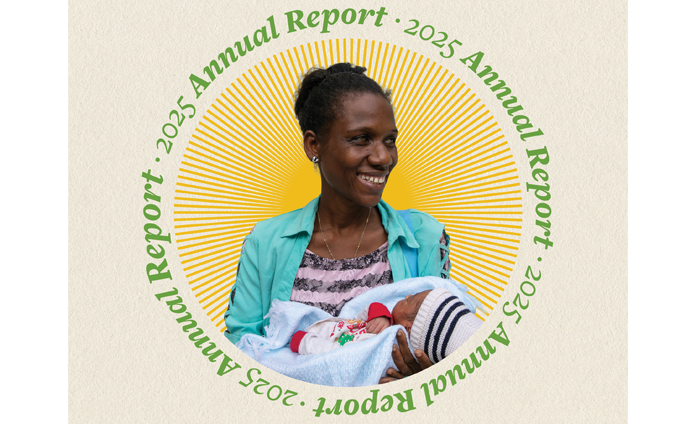
Annual Report 2025
Letter from the President
Dear Friends,
The past year tested all of us at Health Equity International and St. Boniface Hospital in unprecedented ways. But it also reminded us of the unshakeable foundation beneath our feet.
The loss of our USAID grant and our shelter and stabilization program in 2025 were profoundly existential moments for our organization. But what happened next reaffirmed everything we believe about the power of community and shared purpose.
You stood up. Our staff stood up. Our partners stood up. And together, we kept St. Boniface Hospital’s doors open while continuing to improve the quality and reach of our care.
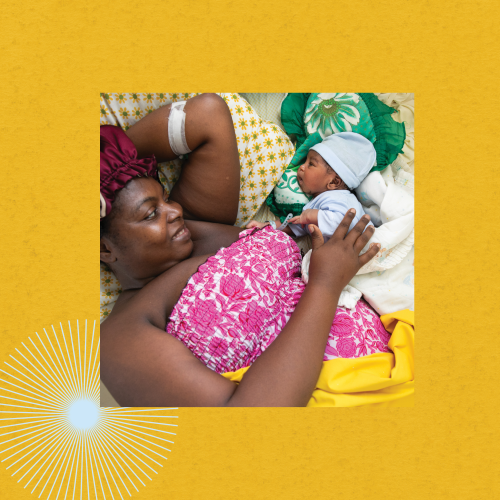
In the following pages, you will learn more about how we adapted, innovated, and cared for thousands of patients across more than a dozen world-class services. Along the way, I’m excited for you to meet patients like Chèry, who had a healthy pregnancy with a little help from our maternal support groups. You’ll also meet staff members like Dr. Jules, who works tirelessly to keep raising the bar for his patients.
Today, we stand more firmly in our guiding principles than ever before. We lead with compassion and the deepest respect for humanity and personhood. We reject despair and refuse to let setbacks define us. And we will never give up on the people we serve, no matter what.
Your support, partnership, and unwavering faith in our work helped us find our way forward, step by step. From all of us at Health Equity International and St. Boniface Hospital, thank you.

What We Do
Health Equity International provides essential health and support services for those in need.
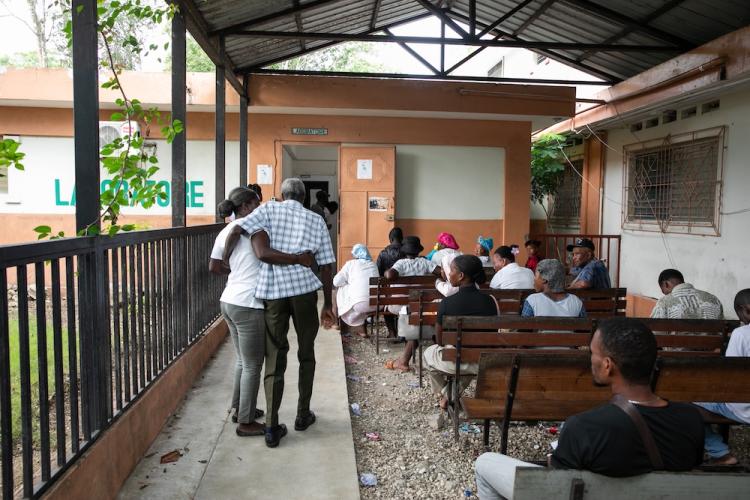
TKTK caption
We run St. Boniface Hospital, the largest healthcare provider in southern Haiti. We built this special place from the ground up, in partnership with the community we serve.
Every service is designed to meet and evolve with our patients’ needs. Our doors are always open, and no one is ever turned away for any reason.
Medical professionals come from across the country to learn and expand their skills. And, our community health programs help people get care without needing to travel far.
Health Equity International believes good health helps everyone reach their full potential. Through quality, dignified, compassionate services, we are building a healthier world.
By the Numbers
St. Boniface Hospital provided uninterrupted, high-quality, and affordable healthcare to every patient in need. Throughout the year, the humanitarian crisis continued to make it extraordinarily difficult to access and provide care. But despite immense challenges, our heroic staff worked tirelessly to keep our doors open and every service running.

102,169
Outpatient visits

9,030
Inpatient admissions

3,077
Births
1,045
NICU admissions

3,433
Surgical procedures

1,352
C-sections

5,925
Emergency room visits

74
Young medical professionals trained
Image
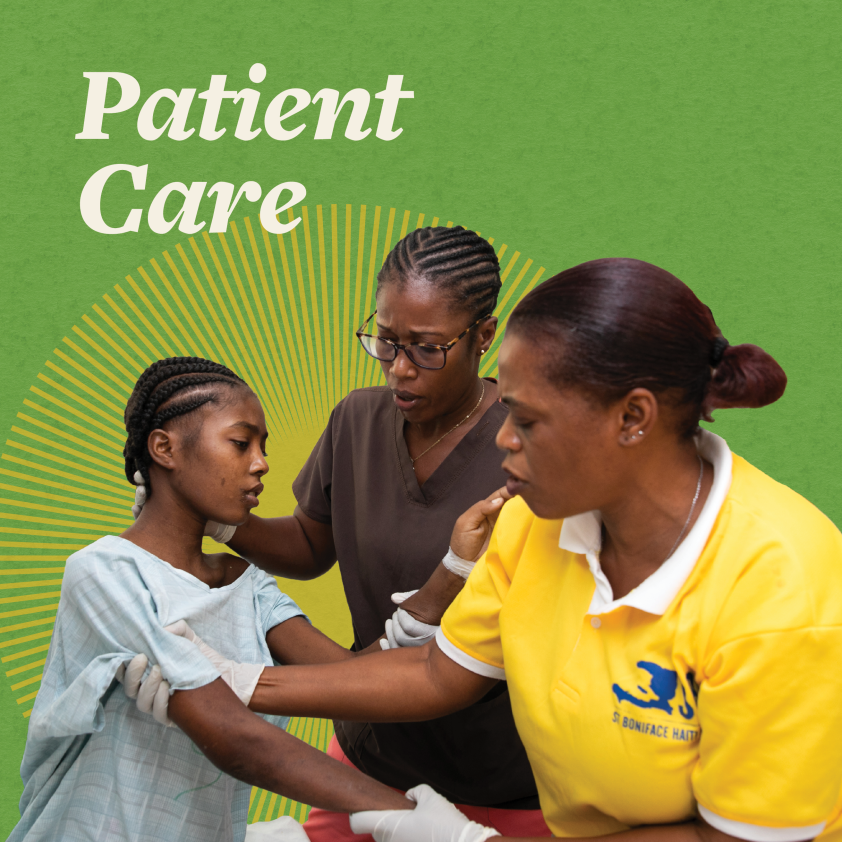
Patient Care
Maternal, Neonatal, and Child Health
Improving Outcomes
St. Boniface Hospital continues to improve health outcomes for women and children in our care despite mounting difficulties from Haiti’s ongoing humanitarian crisis.
The crises forced more healthcare facilities across Haiti to close in 2025. With each passing month, it has become harder and harder for Haitians to find even the most basic care.
As a result, we have seen more patients arriving at St. Boniface Hospital with complex and urgent needs. This trend has been particularly pronounced with women who come to deliver their babies, 90% of whom come from outside of our catchment area.
Over the past five years of crisis, the volume of women with high-risk pregnancies has steadily increased, from 34% in 2020 to a staggering 52% in 2025. C-section rates have also steadily climbed, from 42% to 45% over the same period.
Yet despite these challenges, our maternal and neonatal mortality rates remain low, our patients are experiencing fewer complications during deliveries, and more women than ever before are attending prenatal appointments.
While many complex factors contribute to these positive health outcomes, we believe our maternal support groups and home visit program are a key part of helping perinatal women and their children stay well.
Image
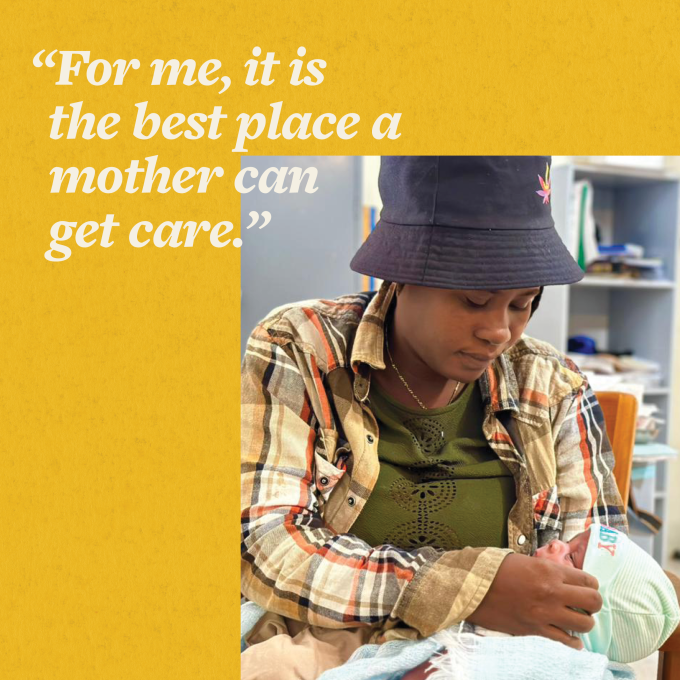
Healthy at Every Stage
Maternal support groups empower pregnant and postpartum women with the knowledge they need to keep themselves and their babies healthy before, during, and after delivery. For Chèry, this information was invaluable.
Intensive Care for Little Patients
Baby Atsou Ruth was born more than a month premature at a hospital in Petit-Goâve, a city on the coast of Haiti’s southern peninsula. She needed intensive care, and the only fully functional neonatal intensive care unit (NICU) in the region is at St. Boniface Hospital. Her parents, Angelo and Roodny, bundled her up and made the long, rocky trek to our doors.
Atsou Ruth is one of 1,045 babies admitted to our NICU in 2025. Overall admissions increased 8% compared to 2024, and we cared for as many as 50 babies at any one time—a staggeringly high volume. More than 40% of the babies were born prematurely, like Atsou Ruth.
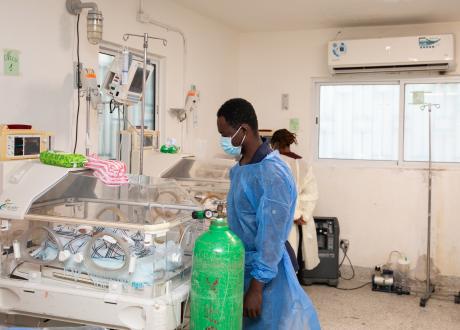
Angelo stays by Atso Ruth’s bedside in our NICU.
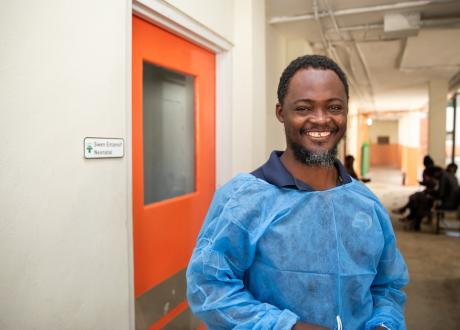
Angelo has been able to breathe easier knowing his daughter in good hands in our NICU.
Despite the high volume of critically ill patients, we continued to lower our already-low neonatal mortality rate thanks to a combination of rigorous infection-prevention practices, highly skilled and dedicated staff, and ongoing training.
One of these trainings was a refresher course for nurses on the benefits of breastmilk for infants in the NICU. In this training, our nurses reviewed how to provide lactation support for mothers, how to encourage breastfeeding, different ways we feed babies in the NICU, and how breastfeeding can support infants’ overall health. After the training, our nursing team has been able to provide important information and logistical support for mothers interested in breastfeeding, and helped more mothers try this important feeding method with their child.
Protecting the Future of Haiti
We cared for a lot of children in 2025. In total, we saw 8,460 pediatric visits at our outpatient clinic, and an additional 1,000 visits to our emergency room. We also saw 351 admissions to our pediatric inpatient department, 68% of whom were under 5 years old.
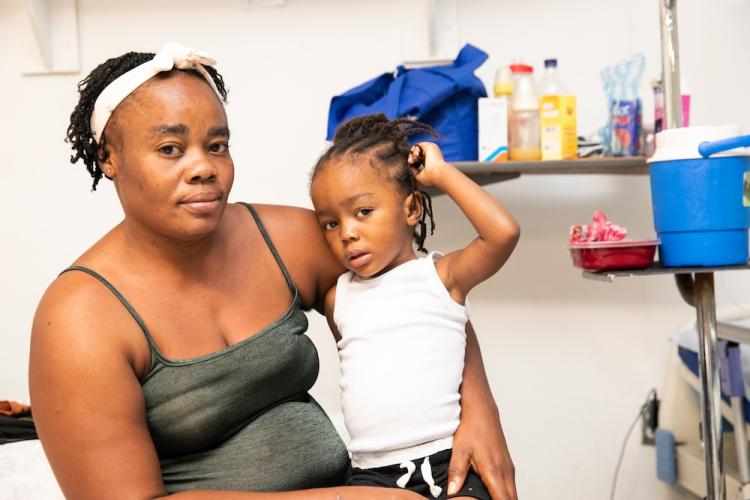
Roseme and Franck in the pediatrics ward.
“When I saw my child was not well, I decided to bring him to the hospital because he had a headache, the flu, and a fever,” says Roseme. “I chose to bring him here because this is where I work, and where I would find good care, because I always see them providing good care.”
As a member of our housekeeping team, Roseme herself is an integral part of making every patient’s stay a comfortable, dignified experience. So when her three-year-old son Franck became unwell, it was an easy decision to bring him to St. Boniface.
Roseme spent seven days in our pediatric service with Franck as he slowly recovered from the flu. She appreciated how the care she and our staff give each patient was returned to her when she needed it. And she was relieved that once she and Franck went home, he went right back playing happily—just as every child deserves.
Infectious Disease
A Safe Place to Recover
Providing dignified care is essential in every service at St. Boniface Hospital, but is especially critical in our Infectious Disease Center.
Patients living with highly contagious conditions like tuberculosis often face intense shame and stigma, which sometimes causes patients to hide their symptoms and not seek care. We’ve worked hard to make our Infectious Disease Center a warm, welcoming, and comfortable environment for patients during their recovery.
In 2025, we admitted 98 patients with tuberculosis to the center for inpatient care. In total, we had 121 patients actively enrolled in our tuberculosis treatment program.
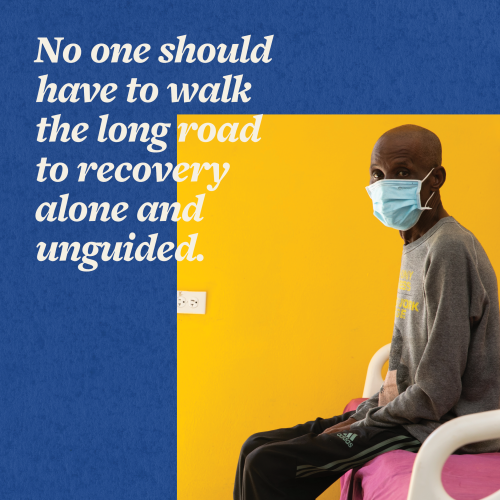
Recovering from tuberculosis can take six to nine months or more, and requires adhering to a very strict medication regimen. Our treatment program helps us accompany patients on this journey with regular checkups, medication deliveries, and more. No one should have to walk the long road to recovery alone and unguided. By accompanying our patients every step of the way, we demonstrate that compassion is essential to providing quality care.
Image
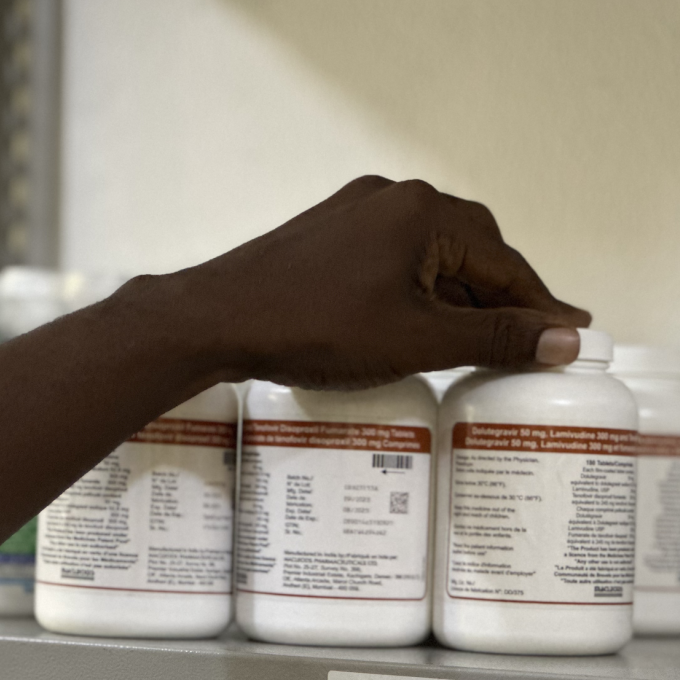
Saving HIV/AIDS Care
For decades, Erika has been both a patient and a peer educator in our HIV/AIDS program. For her and her patients, global cuts to HIV/AIDS funding is a matter of life and death.
Ready for Every Case
Seven-year-old Slandine lies surrounded by a blue netting in our emergency room. The netting is critical to help keep her wounds clean as they heal, away from dust and debris. She was severely burned by boiling water while her mother, Nata, was cooking. Nata has been by her daughter’s side every day since they arrived. Little by little, Slandine is healing.
In the next bed, 10-year-old Kenley breathes deeply into a nasal cannula. He has been recovering from a lung infection for nearly two weeks. He and his father had to travel for more than an hour and a half to get here from their home on the coast of Haiti’s southern peninsula. His father has not left his son’s bedside.
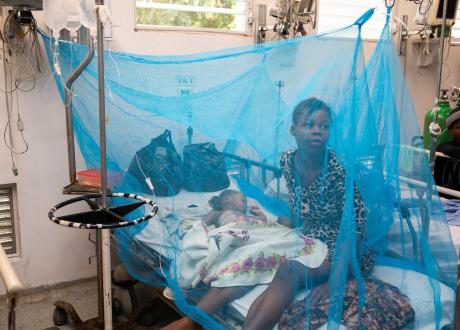
Slandine recovers in our ER next to her mother.
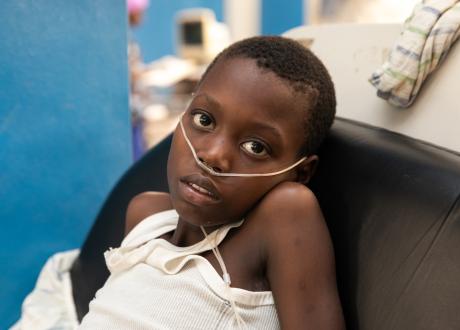
Kenley rests as he recovers from a lung infection.
In 2025, we saw 5,925 visits to our emergency room, 18% of which were pediatric visits like Slandine and Kenley. The vast majority of visits were for adult patients, like Karline.
Karline was at home when she suddenly felt short of breath. Her children rushed her to St. Boniface Hospital’s emergency room, where she lost consciousness.
Our staff jumped into action as her condition began to deteriorate. The team put Karline on oxygen and began administering medications to stabilize her. After running tests, we found Karline was experiencing complications from previously undiagnosed diabetes. From there, we were able to create an action plan not just for Karline’s immediate emergency but also for her long-term care.
Over the next nine days, our staff was able to lower Karline’s blood sugar and started her on a new medication regimen to help keep it under control. We also enrolled her in our non-communicable disease clinic, where patients receive routine checkups, ongoing support including nutritional and movement guidance, and access to events such as our annual World Diabetes Day event every November.
Karline’s children were relieved when their mother was ready to be released. They told us that if they had not run to St. Boniface Hospital for care, Karline would have lost her life. We were glad to see Karline return home with her beloved family and will be here to help her, 24/7, whenever she is in need.
Internal Medicine
Above and Beyond
Our internal medicine service provides adult inpatient care for everything from noncommunicable diseases to gastrointestinal problems.
Joseph* is one of 800 patients who were admitted to the department in 2025. Joseph was diagnosed with malaria at another hospital, where he received basic care. But as his condition deteriorated, he was transferred to St. Boniface Hospital for more intensive care.
When he arrived, Joseph was suffering from body aches, fever, and delirium. He was immediately placed on oxygen and given fluids. After conducting tests, our team began giving him a medication used to treat severe malaria. He was also placed under a mosquito net to prevent his illness from spreading.
Joseph spent two weeks recovering in the department and was astounded that he didn’t have to pay a dime. He also couldn’t believe he received three nutritious meals a day, and that he didn’t have to find and purchase his own oxygen or medications—something that’s common at many other hospitals in Haiti. Before he left, he vowed to always come to St. Boniface Hospital any time he needs care and to spread the word about the quality care he received here.
*Name changed to protect patient’s privacy
Surgery
Difficult Choices, Quality Care
“One of the biggest challenges we faced this year was the issue of medicine, and the supplies we need to operate at our standard,” says Dr. Pierre Abdias Jules, St. Boniface Hospital’s Chief of Surgery.
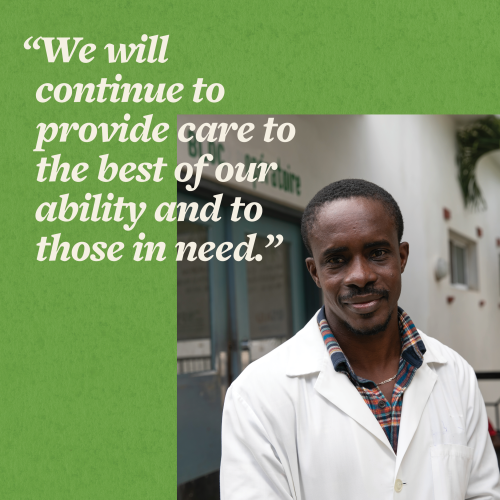
Dr. Pierre Abdias Jules
Finding and transporting essential resources has become extraordinarily difficult in Haiti. Most medicine and supplies enter the country through gang-controlled Port-au-Prince. Every hospital in the country, including ours, has faced shortages and stockouts. “It has forced us to look for other solutions,” Dr. Jules says. His team has worked hard to conserve, sterilize, and reuse as many tools as possible. They have also adjusted how they schedule patients to ensure they always have the resources to care for emergencies.
Of the 3,433 total procedures the surgical team performed in 2025, 58% of them were emergencies. Dr. Jules says diabetic foot issues are among the most common emergency procedures.
Diabetes can be difficult for patients to manage in Haiti. Insulin can be difficult to keep cold at home, where refrigeration is scarce. Blood sugar testing strips are hard to find. And the cost of traveling to a healthcare facility can be more than most families can afford. Because of these and other factors, we frequently see patients experiencing severe complications from diabetes in our emergency room, surgical center, and internal medicine departments.
Dr. Jules remembers one such patient, who had sepsis from a severe diabetic foot infection and life-threatening acidosis. After evaluating the situation, Dr. Jules and his team amputated the patient’s foot. This is a life-changing procedure, and it can be difficult for patients to cope. But Dr. Jules and his team were inspired by this patient’s determination. “With patience, he was able to finally return home, which was encouraging to the staff,” Dr. Jules says.
When thinking about the future, Dr. Jules wants to keep moving his team forward. He wants to offer even more kinds of surgical procedures for patients in need, and continuously improve how they care for patients and their loved ones. He also wants to make sure his staff continues learning and growing, to always be the best they can be.
“I would like to thank the supporters,” Dr. Jules says. “Despite the difficult times, we will continue to provide care to the best of our ability and to those in need.”
Image
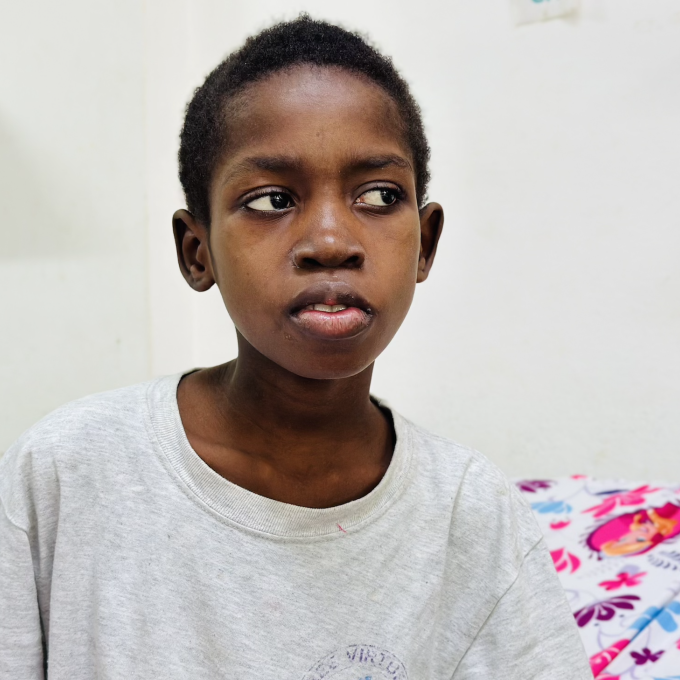
A Race Against Time
Wadnerson’s condition was deteriorating by the minute. On the four-hour journey to St. Boniface Hospital, his father prayed they would make it in time.
Spinal Cord Injury Rehabilitation
Independence and Support
Jean Ricot has been working as a rehabilitation specialist at St. Boniface Hospital’s spinal cord injury (SCI) center since 2011. He was instrumental in helping dozens of patients regain their mobility and independence after Haiti’s devastating 2010 earthquake. He says, “I chose this profession because I have always loved helping people in need. I have a love and a need to help people with disabilities.”
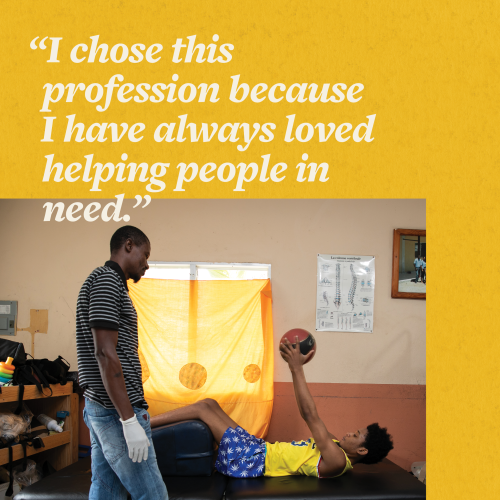
Jean Ricot and Galacxon work together on recovery.
Over the past 15 years, Jean has provided thousands of physical and occupational therapy sessions for hundreds of patients with SCIs or patients who are recovering from strokes, surgery, or injuries. In 2025, he and our team of physical therapy and rehabilitation specialists conducted 3,716 physical and occupational therapy sessions for SCI inpatients, and an additional 712 sessions for patients recovering from other conditions.
At the end of 2025, we had 159 active beneficiaries in our SCI program. Some of these patients, such as Galacxon, live at the center and receive daily support for their long-term recovery. In the summer of 2024, Galacxon was climbing a tree to pick a passion fruit when he fell and was severely injured. After receiving initial care in our emergency room and SCI center, we transferred Galacxon to Hospital Bernard Mevs in Port-au-Prince for neurosurgery. Galacxon then returned to St. Boniface for long-term rehabilitation and support. “I can’t move my limbs, but I have things I couldn’t do before that I can do now—like transferring from my bed to my wheelchair. I’m very satisfied with the care I’ve received at the SCI Center. My health is good, and mentally, I accept myself.”
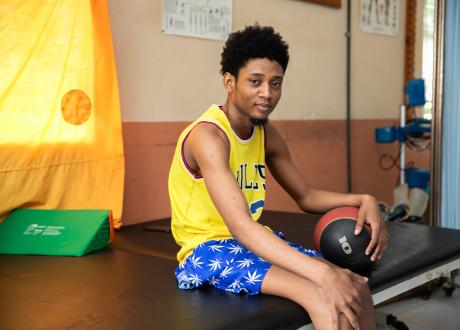
Galacxon has made a lot or progress thanks to his hard work and determination.
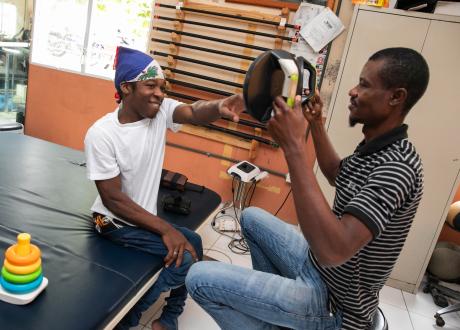
Jean Ricot works with a patient named Davidson.
Jean is also proud of the progress Galacxon has made and the impact he has on his patients. He says, “What makes me most proud is when a patient is unable to do anything with his body, and with the therapy he receives, he can resume his activities. I am happy to participate in helping the hospital provide care to the community and to other people from other places.”
Image
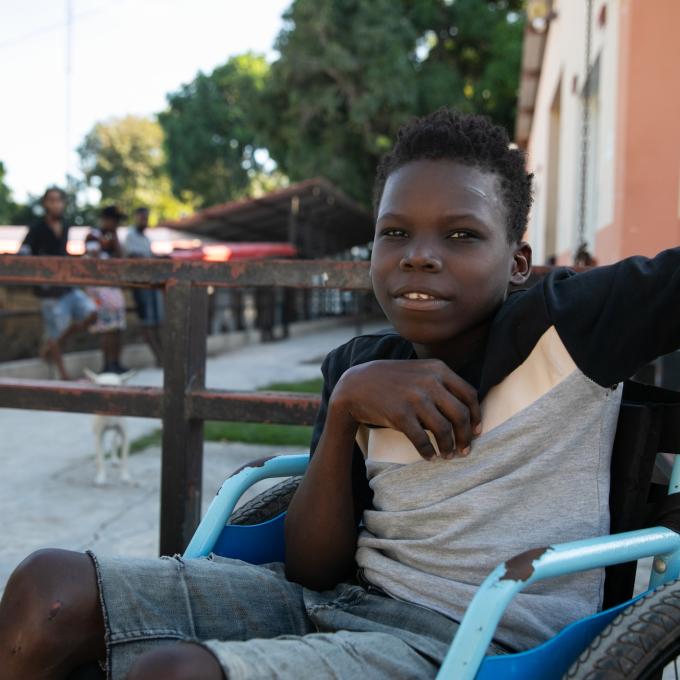
Greater Mobility
Jameson fell from a tree while trying to pick a mango. He felt pain in his back and realized he could no longer lift his feet.
Community Health
Closing the Gaps
The community health team had a problem. For several months, their supply of essential childhood vaccines was inconsistent because of countrywide stockouts. They were also seeing fewer children coming to rally posts for important vaccine doses. Several of the vaccines we give, such as the polio and rotavirus vaccines, require multiple doses over time. Completing the full vaccine schedule is extremely important to protecting children—and everyone in the communities we serve—from dangerous illnesses.
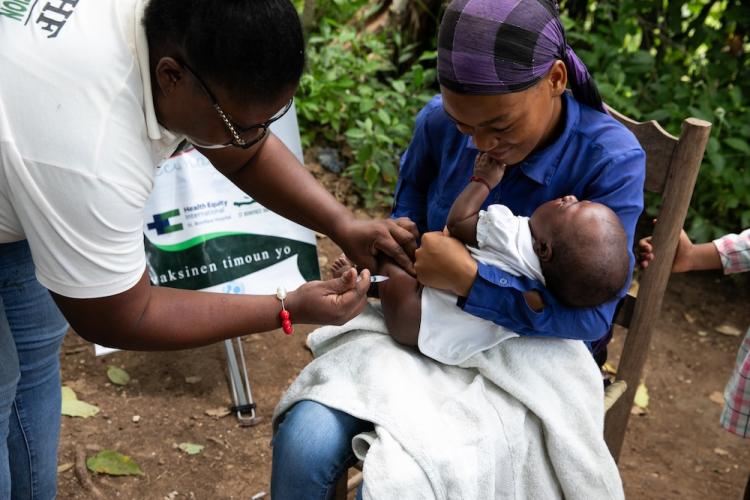
Vaccinating children is a critical part of our community health work.
The team devised a plan after our supply chain team moved mountains to replenish their supplies. With a little effort, they knew they could catch children up on their missed vaccine doses.
First, our community health workers (CHWs) included reminders about upcoming posts at church and during cultural events. Next, they made home visits to every family with a child missing a vaccine dose to personally invite them to the next rally post. Finally, they used a megaphone to broadcast information about the rally post the day before it was set to occur.
The strategy worked. Over the next several months, CHWs were able to catch children up on missed doses. By the end of the year, 483 children throughout the communities we serve completed their full vaccine schedule—an important step on their lifeline health journey.
Image
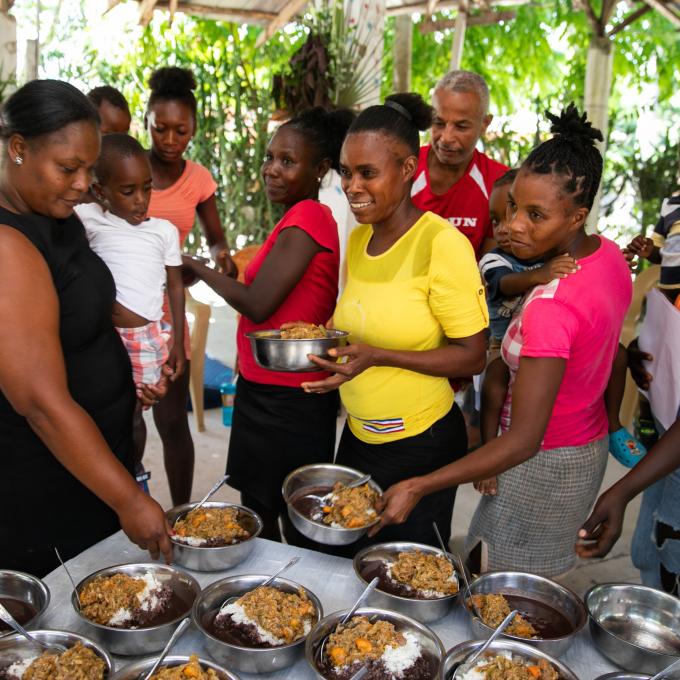
Photo © Nadia Todres
From Doubt to Role Model
Mirlande was afraid of being judged when her children began losing weight. But at Ti Fwaye, she found community and empowerment.
Jaden Mwen
“This activity fosters a very intense joy,” reports Nurse Lubin Francise, who helps support our Jaden Mwen (“my garden”) community gardening initiative.
We created Jaden Mwen to help combat food insecurity in the communities we serve, prevent pediatric malnutrition, and give women income-generating skills to support their families.
But this project has become more than just a way to grow food for home and to sell at market. For participants, their gardens—and the agricultural skills they’ve gained—are a source of immense pride.
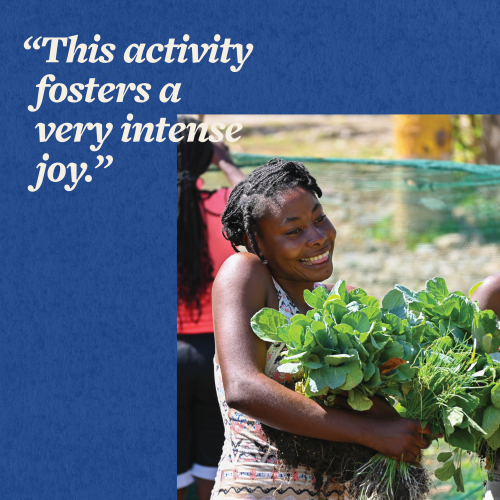
Participants love cooking with the leafy greens they grow.
In 2025, participants created more than 50 gardens in nearly a dozen communities. Crops are chosen for their nutritional value but also their ability to withstand Haiti’s harsh climate and periods of intense drought. This year, plants included okra, cucumber, bell pepper, eggplant, swiss chard, spinach, cabbage, leek, tomato, and chili peppers. Participants have been particularly enthusiastic about cultivating leafy greens like spinach and swiss chard as a way to combat food insecurity and enhance their household diets.
At each meeting, participants learn skills such as sewing seeds, transplanting seedlings, preventing pests and diseases, creating and organizing beds, managing water, composting, and more. “Participants showed a real interest in applying the techniques they learned,” reports Miss Francise. “They express great joy in using many of the techniques used to create their gardens.”
Image
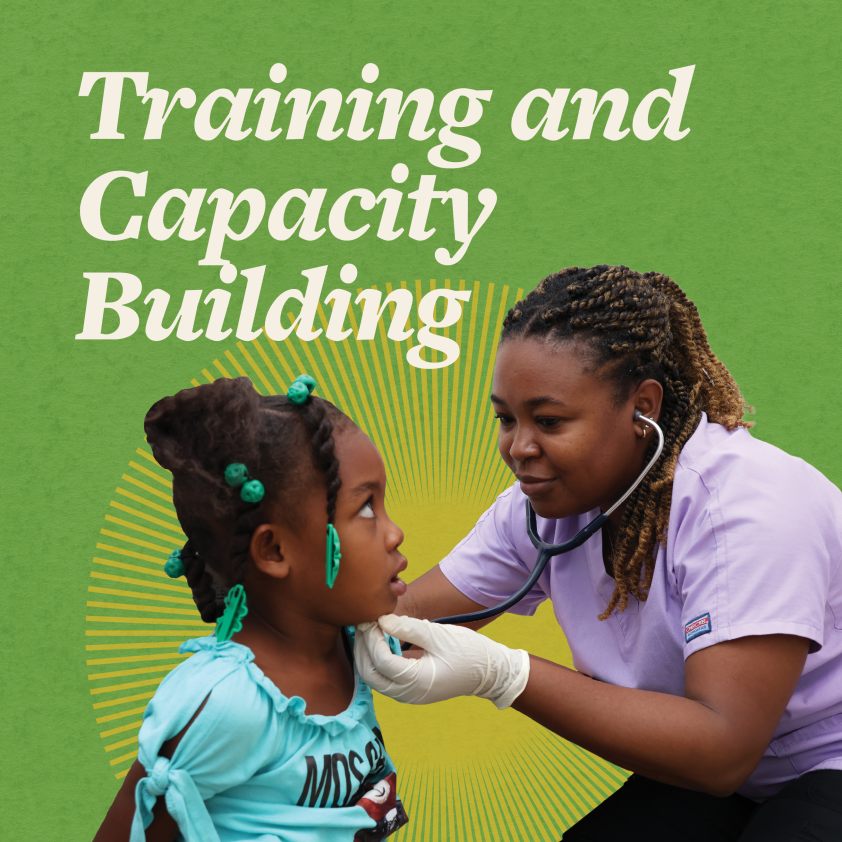
Training and Capacity Building
Residency Programs
The Next Generation
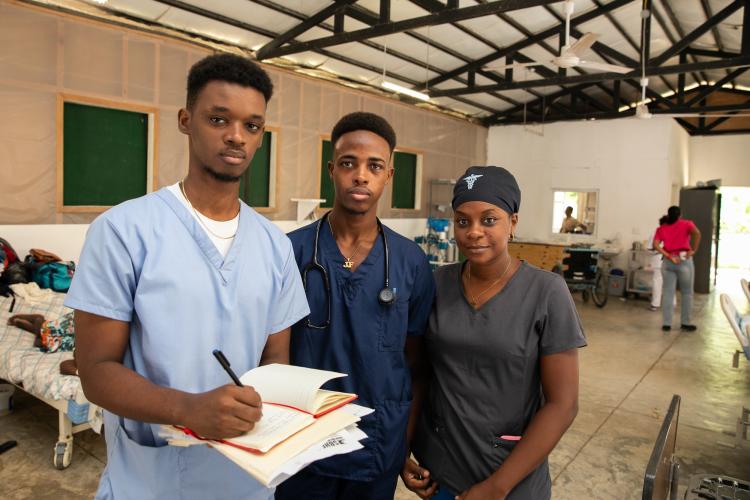
One of the most important lessons Kerrine has learned during her social service residency at St. Boniface Hospital is how to connect with her patients interpersonally.
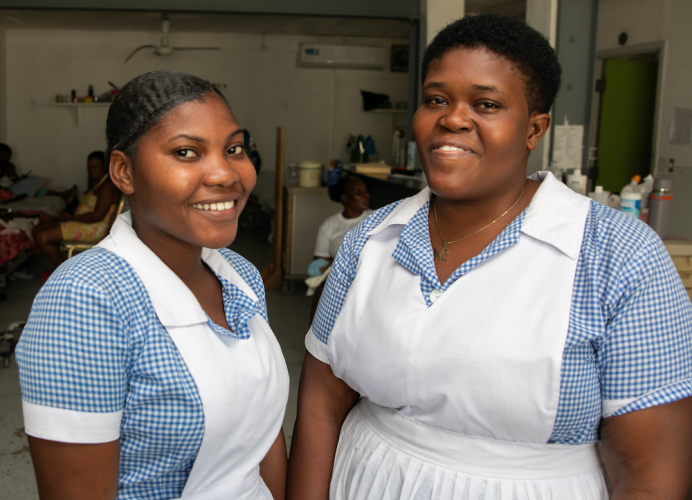
SBH also trains nurses who are still in school, providing them with practical experience as they continue their classroom studies.
“I had a patient I was caring for who had high blood sugar, and afterwards, the sugar returned to normal,” she recalls. “A few days later, as I was passing through the hospital courtyard, I heard someone calling out ot me, saying “miss, miss!” When I responded, she said “my blood sugar went down, it’s normal.” Another time again, she called me and said “miss, my blood sugar went down, yes, it’s normal.” I kept wondering why she kept telling me this. Then someone reminded me that this was a patient I had cared for when her sugar was high. She wasn’t a stranger to me when she called me to talk to her. She was keeping me updated on her health each time. That made me happy.”
Kerrine is one of 53 social service residents we hosted at St. Boniface Hospital in 2025—26 nurses, 24 doctors, two pharmacists, and one biologist. We also hosted 21 specialty residents in our maternity, surgery, emergency, and pediatric services.
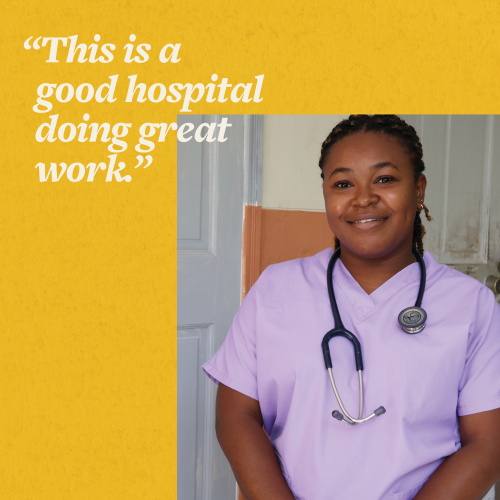
Social service residents like Kerrine learn at SBH every year.
In Haiti, clinicians must complete a year of service in a hospital affiliated with the Haitian Ministry of Health. St. Boniface Hospital is one of the most sought-after “social service” sites in the country because we see a greater range of cases than most other care facilities. When they leave St. Boniface, residents take the skills they’ve learned to other hospitals across Haiti, elevating the level of care provided throughout the country.
While social service doctors like Kerrine spend an entire year with us and rotate through every service we offer, specialty residents operate on a different schedule. These residents are skilled clinicians who want to specialize in one particular area of medicine. Speciality residents only spend a month or so at St. Boniface before going to another hospital in the country to continue their training.
We want every medical resident to leave us not just with the skills to provide high-quality care, but also with the ability to infuse empathy and compassion into everything they do. For Kerrine, this has made a huge difference. She says, “I learned a lot from the hospital, especially regarding interpersonal relationships, the way they guide you, the way they help you in the work you’re doing. I see that this is a good hospital doing great work, a hospital that sees people’s health above all else.”
REPARE
Fix, Repair, Calibrate
Self-reliance is a key factor in how St. Boniface Hospital has been able to weather so many of Haiti’s crises. Fostering our own in-house expertise helps us fix problems faster and easier than if we waited for external help to arrive. And when help is needed in any of our hospital services, Chief Biomedical Engineering Officer Alix Ilophene is often the first person to call.
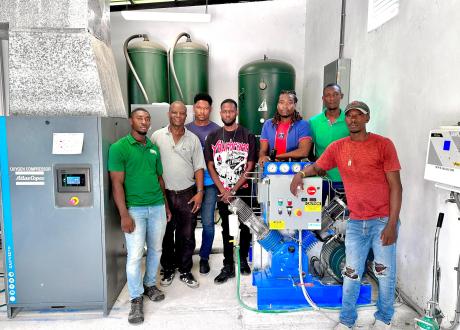
Participants in our oxygen system repair training.
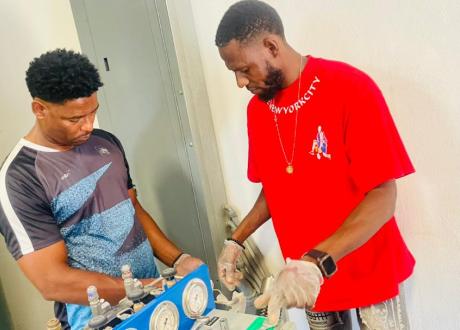
Working on part of the machine.
Alix runs our biomedical equipment repair program, known as REPARE (Reparasyon Pou Amelyore Ekipman Medikal). In 2025, he completed 259 work orders: 129 for repairs, 124 for routine maintenance, and 15 for equipment calibration. The most common items needing repair were vital sign monitors, scales, and autoclaves—equipment our clinicians use every day.
As for maintenance, our oxygen concentrators and oxygen production system kept Alix and our facilities team busy all year. In August, the team was happy to get some extra support from our friend Evenel at The Dalton Foundation. Evenel taught Alix and our facilities team how to properly repair, clean, and maintain our complex new oxygen production system. Evenel also reviewed proper protocols for starting up and shutting down the system, recording maintenance logs, and more. Today, the oxygen system creates enough oxygen for the entire hospital, as well as some to share with other healthcare facilities.

SBH’s new solar grid.
Solar Power
Sustainable Energy
In June 2025, we switched on our new solar grid for the first time—a major milestone in ensuring reliable, sustainable energy for critical medical services. Created with our partners at Build Health International (BHI) and 121 Consulting, we now have a field of 748 solar panels to supplement the existing 780 panels on the hospital’s roof.
Our facilities team continues to fine-tune the system, troubleshoot issues, and plan for ongoing maintenance and parts replacement. By relying on solar power rather than fuel-dependent generators, we have significantly reduced our vulnerability to fuel shortages and skyrocketing energy costs. This energy independence allows the hospital to maintain consistent operations, allocate resources more efficiently, and focus on patient care, even amid the ongoing challenges of fuel scarcity and high prices in the region.
Image
Donor Roll
Generous donors like you helped make everything in this report possible—and so much more. With your support, we were able to keep every service at St. Boniface Hospital fully operational despite profound challenges from Haiti’s ongoing crises and the loss of USAID. You made a difference for hundreds of thousands of people. You helped us save lives.
This list of donors represents individuals and organizations that made contributions during our Fiscal Year 2025 (July 1, 2024-June 30, 2025). Gifts given after the end of our fiscal year will be recognized in our next annual report.
On behalf of all of our staff and patients, thank you.
Image

Financials
Health Equity International ended Fiscal Year 2025 (July 1, 2024-June 30, 2025) in a strong financial position.
Generous support from our partners and supporters helped us close an unprecedented funding gap resulting from the sudden dissolution of USAID. Together, we navigated Haiti’s ongoing humanitarian crisis, complex procurement challenges, and a rapidly changing foreign aid landscape. And together, our community helped us deliver comprehensive, dignified healthcare to every patient in need.
We are deeply grateful to everyone who made this work possible
Image